Understanding US and Canadian Financial Planning: A Comprehensive Guide


Navigating life and finances across the US.–Canada border can feel overwhelming especially when taxes, investments, citizenship, and estate planning collide.
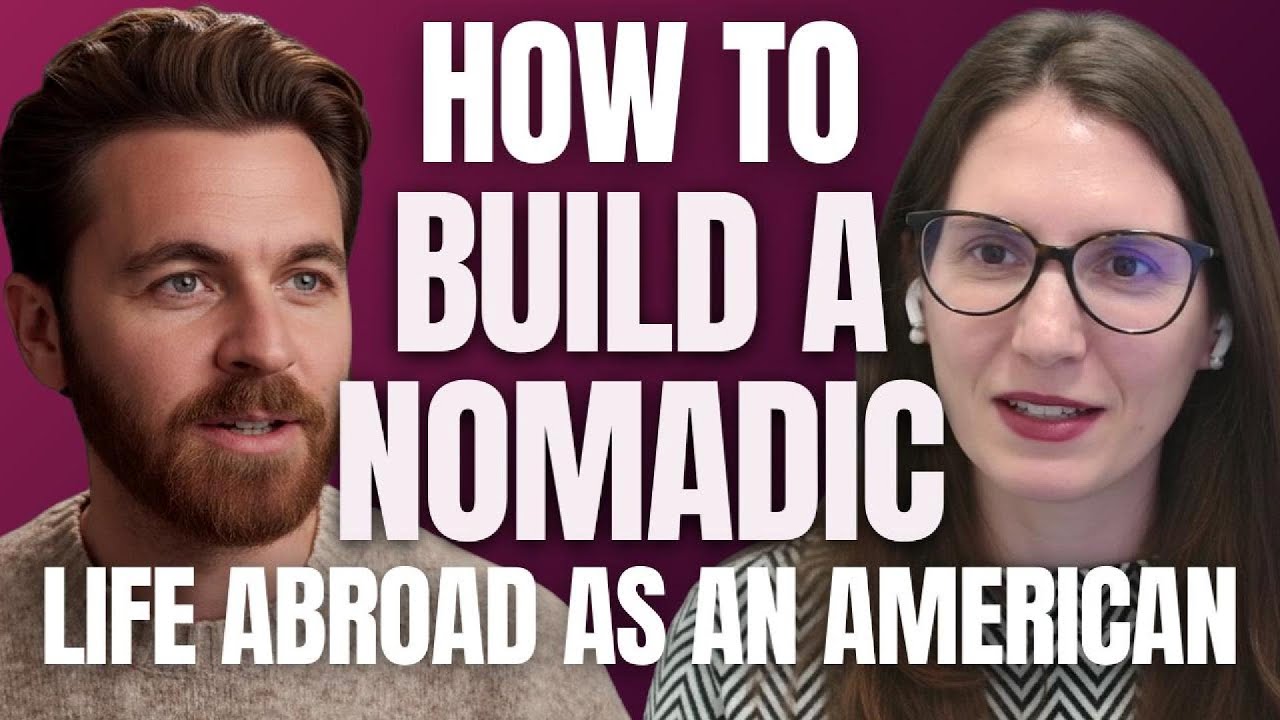
In this episode of Passport To Wealth™, host Arielle Tucker, CFP®, EA sits down with Lucas Wennersten, CFA, CFP® (Canada), CFP® (USA), founder of 49th Parallel Wealth Management, to unpack the real-world complexities of cross-border financial planning between the United States and Canada.
Lucas shares his personal journey into cross-border planning, explains the key differences between the US. and Canadian tax systems, and highlights the most common (and costly) mistakes expats and globally mobile families make. From dual citizenship and tax treaties to deemed disposition taxes, estate planning pitfalls, healthcare costs, and retirement planning across borders. This episode is packed with practical insights for US. expats, Canadian snowbirds, dual citizens, and anyone considering a move across the border
Takeaways:
- In this episode, we discussed the complexities of cross-border financial planning, particularly between the United States and Canada.
- Lucas Vennersen emphasized the importance of understanding tax treaties, which can significantly impact clients' financial decisions.
- We highlighted that moving from Canada to the U.S. introduces deemed disposition taxes, affecting the taxation of assets.
- The podcast explored how dual citizenship can influence taxation and financial planning strategies for families and individuals.
- A critical takeaway was the necessity of advanced planning for those transitioning between countries, especially regarding tax implications.
- Finally, we concluded that consulting with experienced financial professionals can prevent costly mistakes in cross-border financial matters.
If your life, family, or money touches more than one country, this conversation is essential listening.
Mentioned in this episode:
Passport to Wealth is a proud member of the SwissCast Network
Discover more podcasts for English-speaking Switzerland
00:00 - Untitled
00:01 - Untitled
00:01 - Introduction to Passport to Wealth
01:33 - The Journey into Cross-Border Financial Planning
07:51 - Understanding Cross-Border Taxation and Certification Differences
13:22 - Cross-Border Tax Planning Considerations
21:57 - Understanding Cross-Border Living: Taxes and Healthcare
26:33 - Navigating Cross-Border Work and Residency
Welcome to Passport to Wealth.
Speaker AI'm your host, Arielle Tucker, certified financial planner and fellow US Expat.
Speaker AOn this show, we bring together cross border experts and global Americans to help you make confident decisions about your life, your money and your next move abroad.
Speaker ALet's get started.
Speaker AWelcome back to Passport to Wealth.
Speaker AI'm your host, Arielle Tucker and today's guest is Lucas Vennersen, a chartered financial analyst, which is a CFA and a certified financial planner, CFP licensed in both the United States and and Canada, specializing in cross border financial planning.
Speaker AWith over a decade of experience, Lucas helps individuals and families navigate the financial, tax and investment complexities that arise when their lives span both sides of the US Canadian border.
Speaker AThrough his firm, 49th Parallel Wealth Management, he supports dual citizens, expats and globally mobile professionals with integrated planning that aligns investment retirement and tax strategy across jurisdictions.
Speaker ALucas brings a rare dual credential cross border perspective to wealth management, helping clients make confident decisions in an increasingly global world.
Speaker ALucas, thank you so much for joining us today on Passport to Wealth.
Speaker BAbsolutely.
Speaker BThank you for having me.
Speaker ASo I'm so I, we were just talking because you're based right now in Arizona, but I grew up right near the border and right near the Canadian border in western New York.
Speaker AAnd so I knew a lot of people going across that border living that cross border life from a very young age.
Speaker AI'm really curious, can you tell us a little bit about your kind of personal and professional journey and how did you actually come to specialize in U.S. canada Cross border financial planning?
Speaker BTraditionally, you know, growing up and stuff.
Speaker BI have no ties to Canada.
Speaker BI have much deeper ties to Canada now.
Speaker BBut I was originally attracted to financial planning in general just for US Citizens.
Speaker BWhen I graduated college, I started working for my parents construction company and I started doing my USCFP work back in 2004 at that time.
Speaker BSo I worked through my CFP course over the next couple years.
Speaker BI ended up finishing in 2007 and went to work for a US brokerage firm which was in November 2007 if you remember, you know, what the timing was like back then.
Speaker BThat was the kind of when the great Recession hit and that was actually the month where the market peaked.
Speaker BSo I was 24 or 25 years old, you know, spent the next year cold calling for the most part trying to, you know, round up clients and stuff like that.
Speaker BAnd it was a rough year.
Speaker BYou know, I got much tougher skin that year.
Speaker BBut I ended up leaving and going to a large bank, made my way over to the mortgage department there, and everything was going well.
Speaker BI was there for about eight years.
Speaker BI was in Southern California, and so I was pretty happy.
Speaker BBut, you know, things have changed personally for me.
Speaker BI got married, my wife had gotten pregnant.
Speaker BI was looking for something else to do and I had already done all my USCFP work.
Speaker BAnd then I just ended up getting a chance to join a cross border financial planning firm.
Speaker BIt sounded like a really cool opportunity.
Speaker BIt sounded interesting working with expats and people that were dealing with cross border complexities.
Speaker BAnd so I jumped at the opportunity, not really knowing exactly what I was getting into at the time.
Speaker BI had done all my USCFP work, but I had never sat for the examination.
Speaker BI knew I was going to have to do the Canadian CFP work.
Speaker BI didn't necessarily have to do the cfa.
Speaker BThat was something I decided to do on my own later.
Speaker BBut I joined the firm, ended up finishing my USCFP and my Canadian cfp.
Speaker BAnd once I got into it, I just fell in love with it.
Speaker BYou know, financial planning is complex and it's very helpful for people.
Speaker BI love helping people.
Speaker BSo once I started, you know, learning both sides of the border and the treaties and how everything works, I really fell in love with it.
Speaker BSince then, my family has moved to Toronto.
Speaker BIn 2009, I ended up having my youngest son.
Speaker BAsher was born up there in 2019.
Speaker BHe's six now, so he's a dual citizen.
Speaker BAnd of course, I'm running my own.
Speaker ACan I stop you right there?
Speaker AI just want to have a side note here.
Speaker AWas he a dual citizen when he was born?
Speaker ALike, was he eligible for Canadian citizenship by birth because he was born in Canada?
Speaker AI just want to point out the uniqueness of that.
Speaker ARight.
Speaker ABecause most countries don't have automatic citizenship.
Speaker ALike, my daughter was born in Switzerland.
Speaker AShe's not a Swiss citizen.
Speaker AThere's a separate process for that and that's how a lot of countries operate.
Speaker ASo I just want to say that's really interesting that Canada still has that automatic citizenship.
Speaker BYeah, it's, I mean, I think it's really cool.
Speaker BAnd politically down here in the United States, they're talking about doing, know, making people choose their citizenship.
Speaker BThe Exclusive Citizenship act is what it's called.
Speaker BAnd so that, from my perspective, that would be really unfortunate.
Speaker BMy, my son is six.
Speaker BHe can't choose, you know, he doesn't have an option.
Speaker BWe live here in Arizona.
Speaker BSo if they did go through with that, he would have to give up his Canadian citizenship, which, you know, they're not pushing for.
Speaker BYou Know, it's the country that he was born in, so I think that would be unfortunate.
Speaker BBut, yeah, it's.
Speaker BIt's a really cool thing that he's able to have dual citizenship.
Speaker BSo we went ahead and got both of his passports, and, you know, now we have to deal with updating all the time.
Speaker BIt's funny because his passport pictures are from when he was an infant.
Speaker BIt's six now.
Speaker AOh, wow.
Speaker AHow long is a Canadian passport good for?
Speaker BWe're gonna have to review it this year.
Speaker AOkay.
Speaker AYeah, yeah.
Speaker AAnd I think I just want to.
Speaker ABecause you mentioned that act that came up.
Speaker AA lot of people have been talking about that, but I think it's a good point to just also acknowledge that in a lot of other countries, you also can't have multiple citizenships unless you have, like, a very specific clause.
Speaker ALike, maybe you had one parent was, you know, a Dutch citizen and another one was a German citizen, and then you'd be able to keep, like, both.
Speaker ABut a lot of countries, you're only allowed to have allegiance to one country.
Speaker AAnd so I'm not saying I'm.
Speaker AI'm pro or against this, you know, citizenship allegiance bill, but it's just.
Speaker AIt's something that's interesting that doesn't exist in other countries right now.
Speaker BThat's interesting.
Speaker BThat must be mostly a European thing or, you know, other parts of the world other than North America, because I run into people all the time that are dual citizens in Canada, uk, Australia, you know, Mexico, you know, places in South America.
Speaker BYeah, it's interesting.
Speaker AWe.
Speaker AThere was a repeal in Germany, I think, two years ago now.
Speaker AAnd so until then, you weren't able to be a dual citizen.
Speaker AThe Netherlands is another example where you can't be dual citizen.
Speaker ASo it's something that's been kind of changing and relaxing in some countries, I think in some Asian countries as well, you have to choose.
Speaker ALike China.
Speaker AI know as well.
Speaker AYou.
Speaker AYou have to.
Speaker AYou can only pick one.
Speaker AIt.
Speaker AIt's just obviously so different for Americans because we are tied financially to the US Tax system as citizens, where in every other country, like your.
Speaker AYour son who's Canadian, he's not paying Canadian taxes, or he wouldn't pay Canadian taxes or file a Canadian tax return if he's living in the US Correct?
Speaker BThat is correct.
Speaker BAnd I run into that a lot for U.S. citizens or people that are born to U.S. citizens in Canada that never really had any personal ties to the U.S. but because of the way the U.S. taxation, taxation system works, they find out later in life that they are responsible for filing U.S. tax returns, they've been responsible for reporting worldwide income.
Speaker BAnd so that can cause some problems, particularly for people who are executives and have things like stock options where they're going to be taxed differently in both countries.
Speaker BSo, yeah, I mean, that's, that's a big reason, you know, why people reach out to me is for things like that, you know, obviously moving across the border.
Speaker BBut these days, you know, in this kind of globally mobile world, people are getting inheritances, you know, in different countries all over the world.
Speaker BAnd that introduces cross border complexities for them.
Speaker BSo it happens in all different kinds of ways.
Speaker BBut, you know, at the end of the day, people need to understand that, you know, when you are dealing with cross border issues, it is much different.
Speaker BAnd even if you do, you know, a lot of research in the other country about the tax laws and stuff like that, typically the tax treaties are going to override domestic tax law.
Speaker BAnd so you really need to be familiar with all of it.
Speaker AYeah, absolutely.
Speaker AI want to really get into some of the meat of U.S. canadian taxation because, you know, I love that.
Speaker ABut I want to take one step back because I really want to highlight the differences between the CFA and the cfp.
Speaker ABecause it sounds like you hold the CFP in two countries.
Speaker ACorrect.
Speaker AYou have the Canadian one and the US one.
Speaker AThat's very impressive.
Speaker AIs one harder than the other, just out of curiosity?
Speaker BYeah, I thought so.
Speaker BI mean, maybe it's just because I'm an American by birth and that's what I'm used to, but I found the Canadian test to be quite a bit harder.
Speaker BThey changed the form on the US test where it's all multiple choice now and it's still a very challenging test.
Speaker BBut on the Canadian test there's fill in the blank and you know, those types of questions.
Speaker BSo that can be a little bit more challenging.
Speaker BAnd particularly from Canada and the US and I'm not real familiar with Europe and other places, but the terminology that they use in Canada and the US is very similar.
Speaker BAnd that can make things very confusing, you know, so when you're really used to one and then you start learning about a different system where they still have interest, they still have dividends, you know, they still have capital gains, you know, stuff like that, they're still called wills and powers of attorney up there, you know, and so it seems very similar, but it's not.
Speaker BThere's nuances that you need to be aware of because really with, with cross border issues, there are a lot of landmines that you can step on and cause yourself, you know, a lot of, a lot of pain.
Speaker BBut a lot of it's about opportunity costs.
Speaker BYou know, you don't know what you don't know.
Speaker BAnd if you don't, you know, do your planning properly, you can be missing out on money that you don't even know.
Speaker AOh, totally.
Speaker AIt's all about the right questions.
Speaker AAnd you raise a really good point about words being similar but the concepts not translating.
Speaker AAnd I see that all the time in every country.
Speaker AWe think we're having a conversation about one thing.
Speaker AWe're both talking about something different because we're both our backgrounds and our basis is completely different.
Speaker AAnd so we're coming to a conversation, but we're not understanding the other person's background.
Speaker AI mean, that applies to so many things in life, but for sure, in cross border financial planning.
Speaker AOkay, one more question.
Speaker ASo cfa, talk to me a little bit about what the CFA and why that's important that you have that in your firm.
Speaker BYeah.
Speaker BSo the CFP is focused on financial planning, comprehensive financial planning.
Speaker BThe CFA is a little bit different in that it does cover some topics in financial planning.
Speaker BIt's got a pretty big tax section and accounting section, but it's primarily focused on investments, valuing securities, you know, things like that.
Speaker BAnd so the CFA is a little bit more versatile in the jobs that you can perform once you get it.
Speaker BWealth management is obviously one of them.
Speaker BAnd you know, portfolio management is a huge part of the CFA program.
Speaker BBut you know, a lot of people work for corporations trying to figure out how many widgets to make, you know, here and there.
Speaker BYou know, people work in economics.
Speaker BAnd so it's a lot more versatile as far as what you can do with it after the fact.
Speaker BBut you were asking about difficulty of tests and the CFA is the three part series, so you got to take three separate tests.
Speaker BUsually they're offered twice a year.
Speaker BSo it can take a long time, particularly if you don't pass all the tests the first time to get through the program.
Speaker BAnd I would say that all three of the CFA exams are harder than both of the CFP tests that I took.
Speaker AEveryone I know with a cfa, I have so much respect when I see those credentials because I know that is a very difficult exam.
Speaker ASo anyways, kudos to you and you talked a little bit about tax, because I know the CFA and the CFP designation has sections on tax.
Speaker AAnd I'm curious, like for me, I always find one of the main pillars of cross border financial planning is tax.
Speaker AAnd I'm curious, is that your understanding as well or is that what your takeaway has been in cross border financial planning?
Speaker BAbsolutely, yeah.
Speaker BIt's, it's the tax treaties are what really change things the most.
Speaker BThere's a totalization agreement between Canada and the U.S. that deals with their government pensions, Canada pension plan, old age security and Social Security as far as eligibility and qualifications and how it works once you start taking distributions and stuff like that.
Speaker BBut yeah, the tax treaties are extremely important, not just for tax itself, but how investments are dealt with and things like that.
Speaker BIt also, you know, we'll start talking about how the taxation of different pensions from different areas in Canada, they have things called income splitting.
Speaker BSo, you know, it'll deal with those types of things.
Speaker BSo, yeah, the tax is very important.
Speaker BThankfully, the first two firms that I worked for before starting my own both did taxes on both sides of the border.
Speaker BSo I was part of the tax team on both at both of those firms, personally prepared tax returns on both sides of the border for eight years.
Speaker BAnd to be honest with you, not my favorite thing to do.
Speaker BIt's not something that I plan on doing personally going forward.
Speaker BBut my firm does offer tax prep assistance on both sides of the border.
Speaker BBut we basically contract CPAs to get the work done.
Speaker AThat's a great service that you offer your clients.
Speaker AThat's amazing.
Speaker BYeah, a lot of our clients are elderly.
Speaker BThey don't want more work to do, and some of them can be more technologically challenged.
Speaker BAnd so that's really where that came from, is more of a convenience service where clients wanted to have somewhere where they could go and get everything done all at once.
Speaker BAnd so it's not really a separate business for us, but we do facilitate for our clients.
Speaker AOh, wonderful.
Speaker AOkay, so you've kind of like alluded to some of the treaties and some of the different planning opportunities between U.S. and Canada.
Speaker ACan you run us through an example or some of the common issues that you see for your clients going between us and Canada?
Speaker BYeah, probably the biggest thing is not planning for the fact that you're not allowed to file joint tax returns in Canada.
Speaker BSo in the U.S. married couples typically file one tax return, a joint tax return, which means you can combine your income, provider deductions, all that kind of stuff.
Speaker BIn Canada, there is no such thing as a joint tax return.
Speaker BSo everybody files their own return.
Speaker BAnd so for people that are married moving to Canada, that creates a big change and a lot of planning opportunities, particularly for people where there's a big discrepancy in income, one spouse makes significantly more than the other.
Speaker BSo if you can imagine when you go to Canada and you're looking at tax rates that are potentially over 50%, if you have one, one spouse that's paying all of the tax, you're going to be paying a lot more tax than if you were to do some restructuring of your assets and maybe some gifting and try to either equalize things or shift things in a way where the lower income spouse can start, you know, paying the income tax on your investment income, whether it's stock, securities, rental income, all that kind of stuff, you can, you can restructure the ownership of your assets.
Speaker BSo that's a big thing.
Speaker BEach country has their own kind of weird rules.
Speaker BCanada has one in particular that's called the change of use beam disposition tax.
Speaker BAnd so this happens sometimes where people will move from Canada to the U.S. for work purposes, it will rent out their property while they're gone, and then when they move back, they plan on moving into the same primary residence they had when they left.
Speaker BBut in this case, because it was rented out, in the meantime, there's a change of use deemed disposition.
Speaker BSo any gains that accrued between the time that they moved out and the time they moved back in become taxable when they make that change.
Speaker AWow.
Speaker BYeah, that's a big one.
Speaker BAnd then another huge one that I see is estate planning.
Speaker BYou know, you've got two different estate, you know, planning estate.
Speaker BCanada doesn't have, even have an estate tax per se.
Speaker BIt's a deemed disposition tax.
Speaker BAnd so what happens in Canada is when you die, all of your taxable assets, all of your, you know, pensions, all that kind of stuff, they all become taxable on your final tax return.
Speaker BSo it's a lot different because in the US we have an estate tax and there's a, it's a huge estate tax exemption amount.
Speaker BSo most people don't even actually pay estate tax.
Speaker BBut when you go to Canada, you know, you're, you're a much different situation.
Speaker BAnd unfortunately, when you're in a, you know, a country that has 50 plus percent combined tax rates, if your planning isn't done correctly and you're not, you know, you don't have enough forethought, you can run into a huge tax bill on your final tax return which will, you didn't see the inheritances and beneficiaries.
Speaker AWow.
Speaker AYeah.
Speaker ADo you have a massive expensive exclusion at that deemed disposition or is there like, when you're filing that final estate tax return, do you have like any type of exclusion or it's just like everything has been sold.
Speaker BYeah, just everything's been sold.
Speaker BIn Canada you get a personal amount, so it's similar to a standard deduction.
Speaker BSo it's not a, it's not a huge exemption like you would get with a state tax exemption.
Speaker BAnd that's why it's so expensive.
Speaker BYou know, if you're paying 53 Ontario and you've got, you know, a huge amount of capital gains and maybe an RSP with a million dollars in it, all of that is going to go on the final return.
Speaker BAnd so you can see how that tax bill would really add up.
Speaker AOkay, I don't know anything about Canada, but I have some more.
Speaker AI just have some random questions that I keep thinking about, you know, how in the US we can, we have the, the unlimited marital spouse gifting.
Speaker ASo you can freely gift.
Speaker AIf you're married to a US Spouse, you can freely gift assets to your spouse.
Speaker ARight.
Speaker ADo we have that concept in Canada or do you have to.
Speaker ABasically, if you're trying to even out assets, do you have to do all of that before you actually become resident in Canada?
Speaker BYou do, and there's not a gift tax per se in Canada, but there's income attribution rules, which means that basically, if it's not an arm's length transaction and you dip money to your spouse or other family members, the investment income that comes off of those assets is going to be attributed back to your tax return.
Speaker BSo you can gift it.
Speaker BThere's no gift tax, but it's not really going to do any good because all that income is going to be attributed back to you.
Speaker BSo yes, ideally when you move to Canada, they don't really know what you have until you get there and you start filing tax returns.
Speaker BSo until you become a Canadian resident, you can restructure your assets and do whatever you need to do to try to put yourself in the best position possible once you enter Canada to try to optimize your taxes going forward.
Speaker BSo all that gifting and restructuring or anything else needs to be done before you actually become a Canadian tax resident.
Speaker BWhen you move to Canada and start filing your tax returns, you're going to put your entry date on your first tax return.
Speaker BSo that's the date that you need to kind of shoot for and make sure that everything is done before that.
Speaker AOkay, if Canada is really high tax rates, way higher than US Tax rates.
Speaker ASo is there an interesting planning opportunity for Canadians to move down to the US for, for lower.
Speaker AI Don't I always think of the, like the snowbirds, right, Coming down to Florida and Arizona.
Speaker AIs there, is there an interesting tax incentive for them to be able to do that and break their residency in, in Canada for, for a period of time?
Speaker BIf you're, if you're comparing living in the US Versus living in Canada, you're almost always going to pay less tax living in the U.S. and obviously, just like I described, the estate tax regime is a lot better than the deemed disposition tax in Canada.
Speaker BThe problem is that when you leave Canada, there's also a deemed disposition tax.
Speaker BSo if you have that, you know, huge brokerage account with a lot of gains in it and stuff like that, that all would become taxable in the year that you leave Canada.
Speaker BSo it's not quite as bad as the deemed disposition at death because, for example, like your retirement accounts are not going to be deemed disposed of if you leave Canada.
Speaker BYou can leave those in Canada.
Speaker BYou can have them managed in Canada.
Speaker BThe Canada U.S. tax tree will kind of govern, you know, what happened to taxation after that.
Speaker BBut yeah, so there can be a big cost just by virtue of leaving Canada.
Speaker BAnd that's, you know, kind of a big hurdle for some people.
Speaker BAnd I would argue that finances is usually not the thing that drives people across the border.
Speaker BIt's usually family and job opportunities and, you know, other personal things because, you know, it's nice to be able to save tax on, save some money on tax.
Speaker BBut there's so much more to lines, you know what I mean?
Speaker BIt's more important than tax bill is at the end of the year.
Speaker BSo I would encourage people to focus on those things as well and make sure that if you're going to be moving across the border, that the lifestyle is going to fit, not just that it's a better tax situation.
Speaker AAbsolutely.
Speaker AYeah.
Speaker AAnd I mean, in Canada, they have health care.
Speaker ARight.
Speaker AAnd that's part of paying your taxes and you have different benefits and university education is lower.
Speaker AIt's, it's a different system.
Speaker ASo you're kind of, you're paying for things in a, in a different way than we do in the U.S. i also just want to point out in the U.S. we have an exit tax if you're a green card holder or if you're giving up your U.S. citizenship.
Speaker ASo in the same way, I guess that concept of deemed disposition, like we do kind of have something similar to that here.
Speaker BYeah.
Speaker BAnd you were asking about if there's an exemption like, you know, with, you know, when you're leaving the US and you're covered.
Speaker BExpatriate.
Speaker BWe do have a large exemption, but there's nothing like that.
Speaker BBut I did want to add real quick, you were mentioning healthcare costs.
Speaker BI have four kids, and I mentioned that my last one, my youngest was born in Canada.
Speaker BPrior to that, I was working for a smaller firm.
Speaker BThere was no health insurance plan, and so I was on the Affordable Care act plans.
Speaker BAnd there's a huge difference in the amount of tax you pay in Canada.
Speaker BThere can be a huge difference in the amount of health insurance premiums you pay down here.
Speaker BSo before leaving, our premiums for our family were about 2,000amonth, and then the deductible was 13 or 14,000.
Speaker BYou know, kind of went up over the years.
Speaker BKids.
Speaker BSo I had kids three years in a row paying $2,000 a month for premiums, and then another 13 or $14,000 on top of that to have a kid.
Speaker BSo when I got to Canada, everything was free.
Speaker BWe ended up paying $400 for a private hotel room and the hospitals in downtown Toronto.
Speaker BYou can't even get a hotel room for $400 in downtown Toronto, but we got a private hospital room.
Speaker BIt was wonderful.
Speaker BEverything was paid for.
Speaker BAnd they include a midwife for you as part of the deal as well.
Speaker BSo we had house visits from the.
Speaker BSo it was a really, really great experience.
Speaker BAnd I did pay a lot more money in tax when I was up there, but I also saved a ton of money in health insurance costs.
Speaker BCanada can be, you know, if you're lower income and you have a bigger family, they're a lot more friendly, you know, from a finance perspective for those types of people than single people who have really high income.
Speaker AYeah, I always think that about Europe generally as well.
Speaker ALike, I actually think a wonderful hack is leaving the United States when you are having your children and when your.
Speaker AYour kids need childcare.
Speaker ABecause I keep talking to people living in the US Hearing about their healthcare costs, hearing about their childcare costs, and I'm like, wow, I didn't realize, like, we were hacking the system by leaving and having our kids abroad.
Speaker ABut we've, we've saved a lot, a lot of money just by being in kind of more socialized countries for, for when our kids are little.
Speaker AI'm curious because you've moved back and forth now between the US And Canada.
Speaker ASo I'm curious, like, what is maybe one thing you wish you had understood or maybe one thing that you wish your clients understood about moving between the US And Canada?
Speaker AWhether that's finance or Not.
Speaker BYeah.
Speaker BSo, I mean, I think probably the most important thing is to think about lifestyle and how, you know, how life is going to feel once you get up there.
Speaker BHopefully, you know, if you're somewhat familiar with the area before you get there, that'll help a little bit.
Speaker BBut I think that it's important to talk to a financial planner, you know, especially if you're going to be moving across an international border.
Speaker BMy firm offers hourly consultations so it doesn't have to cost you an arm and a leg, you know, but like I said before, you don't know what you don't know.
Speaker BAnd not asking the right questions can be very expensive.
Speaker BAnd so, you know, paying a little bit of money either hiring somebody full time to help guide you through the process, you know, over your lifetime, or can be very helpful.
Speaker BBut at the bare minimum, you should talk to somebody and make sure that you at least are aware of what the issues are that you could be facing.
Speaker BAlmost everything's available on the Internet these days.
Speaker BSo if you have the time and you have the drive and you want to go figure it out yourself, you can probably do that.
Speaker BBut you should at least talk to a professional about, you know, what it is you should be looking for.
Speaker BThere's a lot of small things that change when you move across the border.
Speaker BOf course, you got to get used to, you know, different health insurance or different health care situations.
Speaker BDriving is a little bit different.
Speaker BAll cities are a little bit different.
Speaker BIn fact, when we moved to Toronto, we're coming from Phoenix, the streetcars were different for us.
Speaker BSo coming across traffic and getting on the streetcar and having to watch out for the streetcars and people getting off when you're driving was a little bit different.
Speaker BSo you're gonna have a lot of stuff that you need to learn.
Speaker BCell phones work differently.
Speaker BWe're gonna try to keep our American cell phones.
Speaker BThat lasted for about three weeks.
Speaker BAnd then just little things started happening where we weren't getting text messages and weren't getting media messages and stuff like that.
Speaker BSo there's a lot of stuff that you're going to have to try to figure out.
Speaker BPlus, when you move to a new country, you're probably not going to have a social insurance number, a Social Security number, you know, whatever the term is.
Speaker BIn Europe, you need that for a lot of things.
Speaker BYou need that to, you know, set up different services.
Speaker BSo there is a lot to do and you're going to be very, very busy when you take that step and actually move across the border.
Speaker BSo I would Recommend that you start planning early, that you, you know, keep an open mind, that, you know, you might need some help from a professional and be prepared for, you know, a lot of work and be very, very busy a few months.
Speaker AYeah, absolutely.
Speaker AAnd I love the idea always of, of trying to scout out locations, really exploring it, going in January to Canada.
Speaker ARight.
Speaker AAnd experiencing what that is like.
Speaker ADo you know, off the top of your head, how long are Americans allowed to be in Canada before they establish residency or they need to kind of apply for some type of visa?
Speaker BIn both countries, it's generally about six months, 183 days.
Speaker BThe US has a different test that we have, so it actually looks back at the last three years and see how many days you've been in the country for the last three years and then adds those up through a formula.
Speaker BSo in general, if it's just going to be one year, you can be in either country for about six months.
Speaker BIf it's going to be coming back year after year after year, you need to look in a little bit more detail on how often.
Speaker AAnd is there a different test then for.
Speaker AIf you, let's say you want to work remotely in Canada, do you need to go and apply for a visa to be able to do that, or can you just have the flexibility to take your US Job and work remotely for six months in Canada?
Speaker BWell, technically, if you're going to be working in a country, you should be having a work, sorry, a work.
Speaker BA work visa, work authorization.
Speaker BAnd so, you know, when people come as a visitor and you don't have any intent on staying, setting up services, they're just in a hotel, that's one thing.
Speaker BIf you're going to be coming and you're going to be staying for six months on a regular basis, you know, you're going to be earning income in Canada and that's the plan, then, yes, you should have a work permit of some sort.
Speaker AI get that question all the time about kind of these remote work setups.
Speaker ASo I just want to make sure we highlight like there's visiting a country and there's then working and earning income and having your kind of establishing physical presence in that country.
Speaker AAnd I think that's just an important thing to just be aware of.
Speaker ASo I wanted to bring that up today.
Speaker AOkay, so finally I want to get to, you know, what's one piece of advice that you would give anyone, navigating life and finances across.
Speaker AAcross borders?
Speaker BOne piece of advice would be to make sure that you.
Speaker BI hate to keep promoting, you know, A business.
Speaker BBut I do think that especially when you're dealing with cross border stuff, it is very complicated.
Speaker BYou might not need professional help forever, but you should hire somebody to make sure you at least get the foundation down, get the framework down.
Speaker BAnd life changes too, as people get older.
Speaker BI think that, you know, financial planning is especially important as you come into retirement and enter retirement and those first few years after retirement, it's very important.
Speaker BBefore that you want to make sure that you're doing your planning and staying on track and you know that you're not getting yourself into a situation where you have to make drastic life lifestyle changes to be able to maintain what you got going on.
Speaker BBut particularly for those years right around retirement.
Speaker BBut oftentimes, you know, by the time people get into their late 70s, you know, mid-80s, you know, those later ages, there's not a whole lot of financial planning left to be done.
Speaker BIt's more about investment management.
Speaker BWhen we're in a cross border context, there's always currency exchange issues to deal with, you know, investment issues that we have to deal with.
Speaker BAnd so it is, from my experience, it's always a kind of an ongoing thing where people need help and unless they want to, you know, it's like any other service.
Speaker BAlso, there's, there's a lot of knowledge involved here.
Speaker BBut do you like mowing your own lawn?
Speaker BDo you like changing your own oil?
Speaker BThere's going to be a lot of work and research and you know, you're going to really have to stay on top of things in order to make sure that you feel comfortable with what you're doing, you know, across border context.
Speaker BSo take that into consideration.
Speaker BAnd you know, oftentimes it's better to let the experts handle it.
Speaker AAwesome.
Speaker ALucas, thank you so much for joining us today.
Speaker AAnd I just want to give one plug because we just launched our founding members of our advisory circle for Passport to Wealth.
Speaker AThese are other fiduciary financial advisors and professionals that we have gone out to in our community.
Speaker APeople that we know we can trust.
Speaker AThey're not salespeople.
Speaker AAnd we are building a platform so that you can connect with those professionals.
Speaker AWe do not make commissions.
Speaker AWhether you hire Lucas or not.
Speaker AThey pay us a flat fee to be on our, on our platform.
Speaker ABut you can connect with Lucas if you have questions, if you're thinking about moving to Canada.
Speaker AI love that your firm is offering those kind of initial paid consults so you can get a ton of information at a very low price to just start to think about things really strategically.
Speaker AI think that is an excellent service.
Speaker ASo thank you Lucas so much for being part of that and for joining us today.
Speaker BYeah, thanks for mentioning that, Ariel.
Speaker BIt was a pleasure being with you.
Speaker BI appreciate you having me on and look forward to hopefully helping people in the future that are watching.
Speaker BAwesome.
Speaker AThank you.
Speaker AHave a good day.
Speaker AThe content shared in this podcast is intended for informational and entertainment purposes only and should not be considered financial, tax, or legal advice.
Speaker AWe encourage you to consult with a qualified financial advisor, tax professional, or other licensed expert before making any decisions based on the topics discussed.
Speaker AEveryone's financial situation is unique and personalized guidance from a trusted professional is the best way to ensure your choices align with your individual goals and circumstances.